Port Meadow to Cotswolds Micro-Adventures: 5 Educational Day Trips That Nail KS2 Curriculum Points
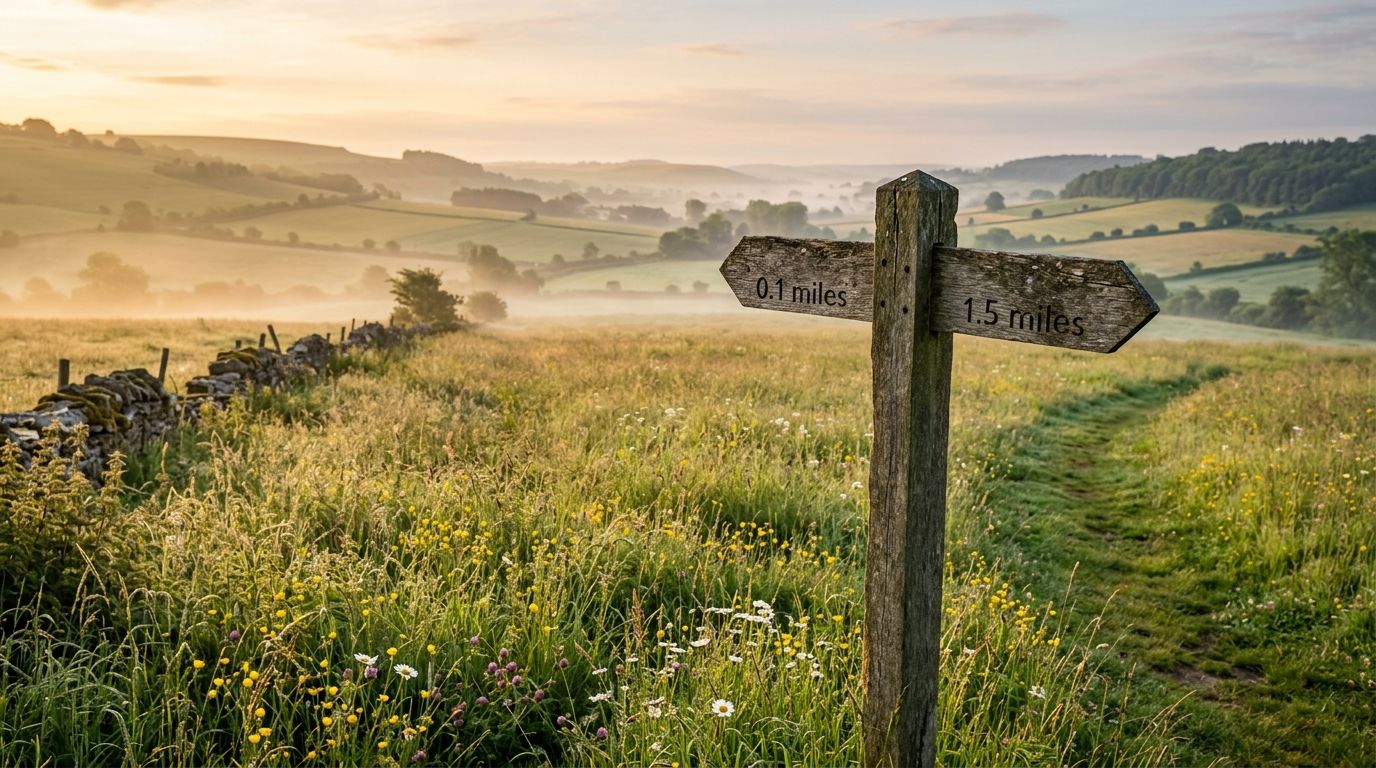
Most Wolvercote primary schools are within walking distance of Port Meadow, yet many still book expensive coaches to distant field centres for science and geography learning. Meanwhile, the 30-mile corridor stretching to the Cotswolds contains five exceptional sites that directly address National Curriculum requirements—at a fraction of the cost and carbon footprint.
Why Micro-Adventures Work for KS2 Curriculum Delivery
The National Curriculum for Science (Years 3-6) emphasizes living things and their habitats, rocks and soils, and environmental change. Geography requirements focus on physical processes, human settlement patterns, and fieldwork skills. Traditional day trips often address one or two objectives. These five locations collectively cover 12+ specific curriculum statements.
Trip 1: Port Meadow & River Thames at Godstow (Walking distance) Directly addresses Science NC: "recognise that environments can change and pose dangers to living things" and "identify how animals and plants are adapted to suit their environment." The flood meadow system demonstrates seasonal habitat change, while the Thames offers river feature identification (Geography: "describe and understand key aspects of physical geography, including rivers").
Trip 2: Wytham Woods (15 minutes by minibus) Oxford University's long-term ecology site provides living labs for "recognise that living things can be grouped" and classification work. The deciduous woodland covers habitat diversity and allows students to use identification keys—a KS2 working scientifically skill.
Trip 3: Minster Lovell (25 minutes) The ruined hall and Windrush River location teaches settlement geography ("understand how places have become the way they are"). The river's limestone bed introduces rock types (Science: "compare and group together different kinds of rocks") with visible fossils for hands-on learning.
The Cotswolds Edge: Geology and Human Geography Combined
Trip 4: Devil's Chimney, Leckhampton Hill (45 minutes) This dramatic limestone outcrop makes rock formation tangible. Students observe sedimentary layering, collect (approved) fossil samples, and understand how "fossils are formed when things that have lived are trapped within rock." The escarpment viewpoint allows landscape sketch maps and land use identification.
Trip 5: Chedworth Roman Villa (50 minutes) While history-focused, this site brilliantly demonstrates "how people manage the water cycle" through Roman engineering. Hypocaust systems, water supply, and mosaics made from local limestone link human geography with geological resources.
Making It Work: Practical Implementation
Each trip costs £8-15 per child including transport (minibus share), compared to £30-50 for commercial field centres. Pre-visit risk assessments are streamlined since these are well-established educational sites. Most locations offer free teacher planning visits.
The key is sequential planning: Port Meadow in autumn for habitat baseline, Wytham in winter for deciduous change, Minster Lovell in spring for river studies, then Cotswolds geology trips in summer term. This creates a narrative arc while distributing costs across the academic year.
Ready to transform your KS2 field curriculum? Download location-specific NC mapping sheets and risk assessment templates, or contact your local Oxford schools network for shared transport schemes that reduce per-pupil costs further.